
Dental Veneers vs. Other Cosmetic Treatments: Which Is Best?
If there’s something you’d like to change about your smile, today’s cosmetic dentistry options give you plenty of ways to approach it. The challenge is figuring out which treatment makes the most sense for your teeth. Whitening may be ideal if color is your main concern, while bonding can address smaller imperfections. Orthodontic treatment actually moves teeth, and dental veneers can change several aspects of a smile at once. Understanding how veneers compare with other cosmetic dental treatments can make that choice easier. Rather than looking for one treatment that’s best for everyone, the goal is to choose an option that fits your oral health and the changes you’d like to see.
What Are Veneers?
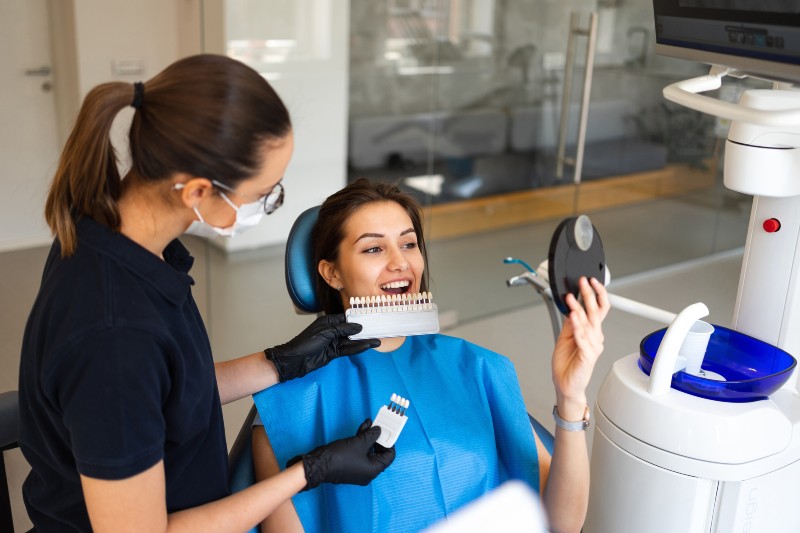
Dental veneers are thin, custom-made shells bonded to the front surfaces of teeth. They can change the appearance of a tooth’s color, shape, and size while concealing concerns such as discoloration, chips, gaps, or minor alignment imperfections. Porcelain is a popular material because of its natural appearance, durability, and resistance to staining. Veneers are generally considered a cosmetic treatment rather than a way to repair a severely compromised tooth. Placement also typically requires some enamel removal to create room for the restoration. Those factors are important when weighing the pros and cons of veneers and comparing them with less extensive or more restorative treatments.
Overview of Other Cosmetic Dental Treatments
Veneers are just one way to enhance a smile. Depending on what you’d like to change, other options can include:
- Dental bonding: Uses tooth-colored resin to improve relatively minor cosmetic imperfections.
- Dental crowns: Cover the entire tooth and can restore teeth that have suffered more substantial damage or decay.
- Teeth whitening: Focuses specifically on brightening discolored or stained teeth.
- Orthodontic treatment: Uses braces or clear aligners to move teeth physically and correct alignment or bite concerns.
Dental Veneers vs. Other Cosmetic Dental Treatments
A useful dental veneers comparison starts with the problem you actually want to solve. Veneers can address several aesthetic concerns together, but sometimes a more focused procedure is all that’s necessary. Continue reading to understand the different treatment options available.
Veneers vs. Dental Bonding
Bonding involves applying tooth-colored resin to areas that need cosmetic improvement. It’s minimally invasive and can be a practical choice for relatively small chips or similar minor imperfections. Porcelain veneers can provide a more comprehensive change and are more stain-resistant than bonding. If you want to correct a small flaw on a single tooth, bonding may be exactly what you need. If several visible teeth have concerns involving their color or shape, veneers may offer a more complete smile makeover.
Veneers vs. Dental Crowns
Veneers and crowns can both improve how a tooth looks, but their purposes aren’t identical. Veneers cover the front surface, while a crown surrounds the entire tooth and is frequently used when a tooth needs more extensive structural restoration. For someone with healthy teeth who is primarily seeking cosmetic improvements, veneers may be considered. A significantly damaged or decayed tooth may need the additional coverage and protection of a crown instead.
Veneers vs. Teeth Whitening
Professional whitening focuses on one concern: tooth color. If you’re happy with the shape and position of your teeth but want a brighter smile, whitening may be the more straightforward option. Veneers can address discoloration while also changing the visible shape and proportions of teeth. They may also be an option for discoloration that isn’t well suited to whitening. Whitening changes the shade of your natural teeth, while veneers cover the visible surfaces of your teeth. That fundamental difference makes the treatments appropriate for different smile goals.
Veneers vs. Orthodontic Treatments
Veneers can create the appearance of improved alignment when cosmetic irregularities are minor, but they don’t actually move teeth. Braces and clear aligners gradually reposition the teeth and can address issues with true alignment or bite. If the primary concern is tooth position or the way your bite comes together, orthodontic treatment may make more sense. If you’re interested in changing the appearance of otherwise appropriate tooth positions, veneers may be worth discussing.
Factors to Consider When Choosing a Cosmetic Treatment
With so many smile makeover options available, it helps to look beyond before-and-after photos and think about what each treatment is designed to accomplish. Important factors include:
- Current oral health: Teeth and gums need to be evaluated before cosmetic treatment.
- Primary concern: Color, shape, damage, and alignment concerns may call for different approaches.
- Extent of treatment: Changing one small imperfection is different from redesigning several visible teeth.
- Maintenance: Every cosmetic treatment has its own long-term care considerations.
- Treatment commitment: Some options are more conservative than others, while treatments such as porcelain veneers may require permanent changes to the natural teeth.
When Are Porcelain Veneers the Ideal Choice?
Porcelain veneers vs. alternatives are particularly worth considering when you’re looking to address multiple cosmetic concerns rather than a single isolated issue. Veneers can change the visible color and shape of teeth while concealing certain chips, gaps, or minor alignment imperfections. They may be a good option when:
- Several visible teeth could benefit from cosmetic changes
- Discoloration isn’t easily addressed through whitening
- Minor chips or gaps affect the appearance of your smile
- You’re looking for a customized cosmetic transformation
Explore Your Smile Makeover Options at Modern Touch Dental
Modern Touch Dental offers cosmetic services, including veneers, whitening, and clear aligners, at our Hartland, WI, practice, with an emphasis on high-quality, modern dentistry and patient comfort and confidence. If you’re ready to explore what’s possible for your smile, schedule an appointment with us to discuss your goals and find the cosmetic dental treatment that fits your needs.
Frequently Asked Questions
Considering veneers often raises questions about durability, maintenance, and how they compare with other cosmetic options. These answers can give you a better starting point before discussing your personalized smile makeover options with your dentist.
How long do veneers last?
Veneers are designed as a long-term cosmetic restoration, but their lifespan depends on the material and on factors such as care and oral habits. Porcelain veneers are known for their durability, although veneers may eventually require replacement.
Can veneers fix severely damaged teeth?
Veneers are primarily intended for cosmetic improvements rather than restoring severely damaged teeth. When a tooth has significant damage or decay, a dental crown or another restorative treatment may be more appropriate.
Do veneers require special maintenance?
Veneers don’t require an entirely separate dental hygiene routine, but they still need consistent care. Regular brushing and dental checkups are important, and habits such as biting hard objects should be avoided to protect the restorations.
How do veneers compare to whitening treatments?
Whitening is designed to brighten the color of natural teeth but doesn’t change their shape or address structural cosmetic imperfections. Veneers cover the visible front surface and can address color along with other aesthetic concerns.
Are porcelain veneers better than dental bonding?
Neither option is automatically better. Bonding can be well suited to minor cosmetic corrections and is less invasive, while porcelain veneers can provide a more comprehensive cosmetic change and offer greater resistance to staining. The appropriate choice depends on the condition of your teeth and the improvements you want to make.