
How to Choose the Right Orthodontic Treatment for Your Smile Goals
If you have crooked teeth, a misaligned bite, crowding, or gaps between your teeth, these are not just cosmetic issues. In addition to impacting the appearance of your smile, these issues can cause long-term challenges in maintaining your oral health. For example, it may be harder to clean the areas between crowded teeth, making them more vulnerable to cavities and tooth decay. Alternatively, an overbite may cause the lower teeth to strike the back of the upper teeth, leading to worn enamel or cracked teeth. Seeking orthodontic care can permanently correct all types of malocclusions, so you end up with a more functional, beautiful smile.
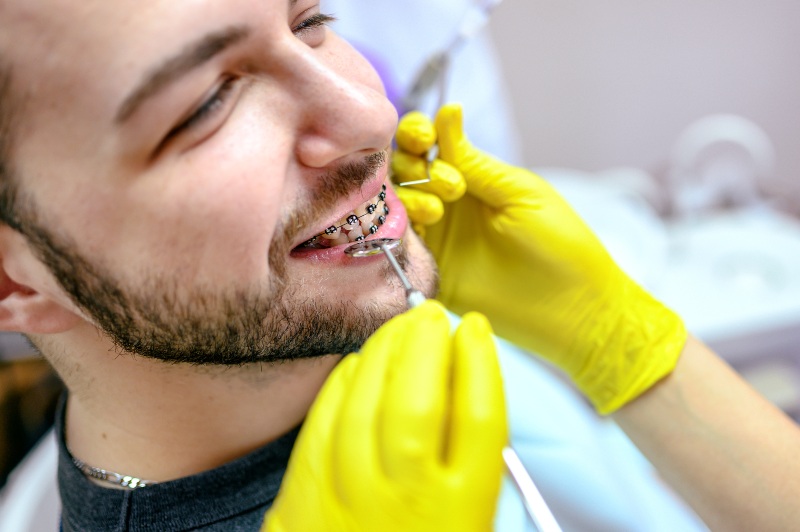
With modern dental technology, patients have more orthodontic treatment options than ever, with many types of braces to choose from in Hartland, WI. This guide from Modern Touch Dental will help you know how to choose the right one and when to turn to an orthodontic specialist instead of your primary dentist.
Why Orthodontic Treatment Matters
Orthodontic issues can get worse over time, causing long-term dental problems that require more complex and costly procedures to correct. With the right orthodontic treatment, you can ensure stability in your oral health, preventing issues like uneven wear and tear of the dental enamel, muscle strain in the jaw, and difficulties keeping your mouth free of harmful plaque, food particles, and bacteria.
It’s a common misconception that orthodontic care is elective or purely cosmetic. The reality is that orthodontic treatment is necessary for patients who have crowded, overlapping, or rotated teeth; misaligned bites; or severe malocclusions that contribute to ongoing discomfort in the temporomandibular joints in the jaw.
Common Orthodontic Treatment Options
There are several different types of orthodontic treatments available, including clear aligners like Invisalign®.
- Traditional Metal Braces – Metal braces remain one of the most effective and common orthodontic treatments available today. They have come a long way over the years, with modern versions being more comfortable and less bulky than metal braces of the past. With traditional braces, metal brackets will be attached to the front of the teeth and guided by metal wires to shift your teeth into the right position. Throughout the course of treatment, braces are tightened and adjusted to guide the teeth in the right direction.
- Clear Ceramic Braces – Clear braces work similarly to metal braces, but they use ceramic brackets that blend in with the tooth enamel. So, they are very popular among teens and adults who want a more discreet treatment option but have more severe crowding, gaps, or malocclusions that clear aligners cannot fix as effectively.
- Clear Aligners – For mild to moderate orthodontic issues, clear aligners are the preferred choice because they are virtually invisible when worn, and they are completely removable, so you can still eat, drink, and brush your teeth normally while undergoing orthodontic treatment. With clear aligners like Invisalign®, you will have a series of plastic aligners that shift your teeth gradually into the desired position. These aligners are worn for about 22 hours per day, and they do not have any brackets or wires to adjust, so fewer trips to the orthodontist are needed. In fact, many patients who choose Invisalign® will get treatment through their dentist’s office rather than with an orthodontist.
After any type of orthodontic treatment, it is common to wear a retainer to prevent the teeth from shifting back into their original positions. Retainers are typically worn throughout the day for the first four to six months of use, and then worn nightly over the long term.
Factors to Consider When Choosing Treatment
The right treatment for you not only depends on personal preferences, but it also on factors like:
- Case Severity – More severe orthodontic issues typically require the structural strength of Invisalign® alternatives like metal or ceramic braces. Clear aligners are better suited to mild, less complex cases.
- Patient Discipline – With clear aligners, patients must commit to wearing them for 20 to 22 hours per day and cleaning them properly every day. You cannot eat or drink anything besides water when wearing the aligners, and they must be stored in a proper case when they are not being worn. For younger patients, sticking to these requirements can be more difficult and may impact the outcome of treatment.
- Oral Hygiene Concerns – Brushing and flossing become more difficult with traditional braces due to the brackets and wires. For patients with limited mobility, clear aligners may be the better choice.
- Treatment Timeline – Metal and ceramic braces typically have longer treatment timelines, but they also typically treat more complex cases than clear aligners. Clear aligners do have the advantage of dynamic movement moving multiple teeth at one time, which can accelerate the treatment timeline.
- Budget – Metal braces are generally the most affordable of the orthodontic treatment options. Specialized treatments like clear braces or clear aligners will usually cost more.
Questions to Ask Your Orthodontist
When you are considering orthodontic treatment, it is a good idea to see an orthodontist to ensure that you are presented with a full range of treatment options and that you have the most comprehensive treatment planning available. To ensure the highest degree of care, ask the following questions at your orthodontic consultation.
- What issues do you see in my smile?
- What type of orthodontic treatment do you recommend for me and why?
- How often will I need to come in for appointments during my treatment?
- How much will treatment cost?
- Is treatment covered by insurance and do you offer payment plans?
Tips for Achieving the Best Results
No matter what treatment path you choose, it’s important to follow all instructions from your orthodontist or dentist about cleaning your teeth, caring for your braces, and choosing the right foods during your treatment. If you have metal or ceramic braces, you will need to stay away from candy, hard or crunchy foods, sticky foods, and foods that tend to get stuck in the teeth, such as popcorn. You may also need to adjust your oral hygiene routine with new tools for flossing so that you can continue to clean between the teeth and under wires effectively.
Start Your Treatment at Modern Touch Dental
If you are unhappy with the appearance of your smile or experience discomfort and oral hygiene challenges due to orthodontic issues, begin your treatment journey with an orthodontic consultation at Modern Touch Dental in Hartland, WI. We offer Invisalign® in-office, and we can recommend local orthodontic providers if you need more specialized care to correct your smile.