
Benefits of Professional Teeth Cleaning for Your Long-Term Oral Health
It’s a common misconception that you don’t need to see the dentist unless you are experiencing an active oral health issue like a cavity or a toothache. However, even those with healthy smiles should see the dentist every six months for routine preventive visits. By investing in your preventive care routine, you can prevent serious oral health issues down the road, which can save you time, money, and stress in the long run.
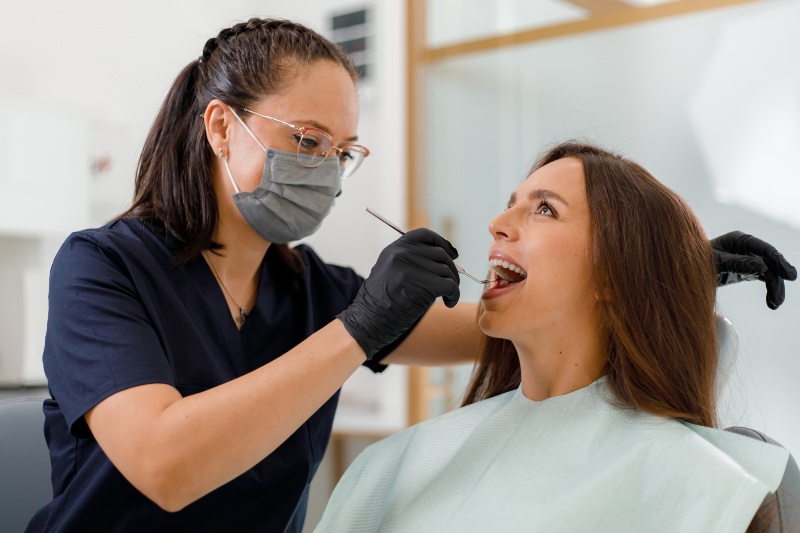
At Modern Touch Dental, we provide comprehensive dental care services, including professional teeth cleaning in Hartland, WI. If you’re overdue for a cleaning or simply want to stay on track with your oral care, make an appointment with us.
Key Benefits of Professional Dental Cleanings
Professional dental cleanings have a wide range of benefits for your smile, such as plaque removal. They provide a deeper level of cleaning than you can achieve at home and offer an opportunity for you to get input on your at-home oral hygiene routine, so you know you are taking the best possible care of your teeth.
- Removal of Plaque and Tartar Buildup – Brushing and flossing alone are not enough to fully remove stubborn plaque and tartar from the gumline. Plaque and tartar may hide in hard-to-reach areas that you simply cannot address at home, and tartar is too hard to effectively remove with a toothbrush and dental floss. Only professional tools can thoroughly clean the teeth.
- Prevention of Cavities and Tooth Decay – Left unaddressed, tartar traps bacteria against your teeth, where they feed off the sugars and starches from the food you eat and release acid that erodes the surface of the tooth. Over time, this allows cavities to develop, which can allow bacteria to infiltrate the tooth pulp, leading to a painful infection that can require more invasive care like a root canal and dental crown.
- Reduced Risk of Gum Disease – Bacteria not only erode the teeth, but they can also cause periodontal infections. As gum disease progresses, it causes the gum tissue to become inflamed and sore, and you may notice some bleeding when you brush and floss. Eventually, the gum tissue will pull away from the teeth and expose the roots, increasing the risk of tooth loss.
- Early Detection of Oral Health Issues – When your dental hygienist is cleaning your teeth, they will take note of any potential issues like early stages of tooth decay or gum disease. The dentist can then confirm those findings and recommend treatment right away. Most oral health issues are reversible when caught and treated in their early stages.
- Fresher Breath – If you have noticed that bad breath seems to linger even with regular brushing and flossing, you may need a deeper cleaning to remove buildup and reduce the presence of oral bacteria.
- Improved Oral Hygiene – Your dental care team will identify areas where your oral hygiene routine needs improvement, such as areas of overbrushing or spots missed when flossing. With professional input on your daily routine, you can care for your smile much more effectively.
- Support for Overall Health – Your oral health is closely linked to your overall health. Oral health conditions like periodontitis can increase your risk of heart disease or make it harder to control blood sugar if you have diabetes. By taking a proactive approach to managing your oral health, you can reduce other health risks and improve your overall health.
- Lower Risk of Tooth Loss – You only get one set of permanent teeth. While restorations like dental implants or dentures can replace missing teeth, they are also expensive, time-consuming, and can have a long adjustment period. Regular cleanings help to reduce your risk of tooth loss, so you can keep your smile intact for life.
Risks of Not Getting Regular Cleanings
Is professional teeth cleaning worth it? Missing one cleaning will likely not have a lasting impact, but regularly missing routine professional teeth cleaning can have significant risks, including:
- Failure to detect issues like cavities, oral cancer, and gum disease in their earliest, most treatable stages
- Chronic bad breath
- Duller, yellower teeth
- Higher risk of tooth loss
- Potential need for expensive, lengthy dental treatments
Tips for Maintaining Your Oral Health Between Cleanings
While professional cleanings are the foundation of good oral health, your everyday care is what makes a significant difference in the long run. Putting in the effort at home can make your professional teeth cleanings easier, faster, and more comfortable. To properly maintain your oral health between cleanings, you should:
- Brush twice daily for a full two minutes; consider an electric toothbrush for best results and a built-in timer.
- Floss once daily making sure you clean along the gumline of each tooth.
- Rinse with water or mouthwash after meals.
- Drink plenty of water every day.
- Use a toothpaste that contains fluoride.
- Consume a balanced diet and limit sugary snacks and starchy foods.
- Avoid tobacco and alcohol.
- Never use the teeth as tools.
- Wear a mouthguard during high impact activities and contact sports.
Schedule Your Next Cleaning at Modern Touch Dental
Find gentle, effective dental care in Hartland, WI at Modern Touch Dental. Schedule your next visit online to stay on track with your oral health and enjoy the benefits of professional teeth cleaning.
FAQs About Teeth Cleaning
How often should you get a teeth cleaning?
Most people should have a professional teeth cleaning once every six months, or twice per year. However, some people will need cleanings more often. For example, you may need more frequent cleanings during pregnancy, if you are immunocompromised, or if you are in active treatment for an oral health issue like periodontitis.
What happens during a professional dental cleaning?
During a professional dental cleaning, your dental hygienist will use specialized tools to scrape away plaque and hardened tartar from the surfaces of the teeth and along the gumline. They will then polish the teeth and floss between your teeth. They may also perform a fluoride treatment if requested.
Are there risks associated with skipping regular dental cleanings?
Yes, skipping dental cleanings has a wide range of potential risks, including a higher risk of tooth loss, gum disease, and cavities.